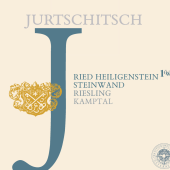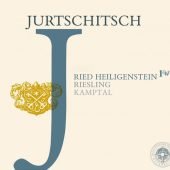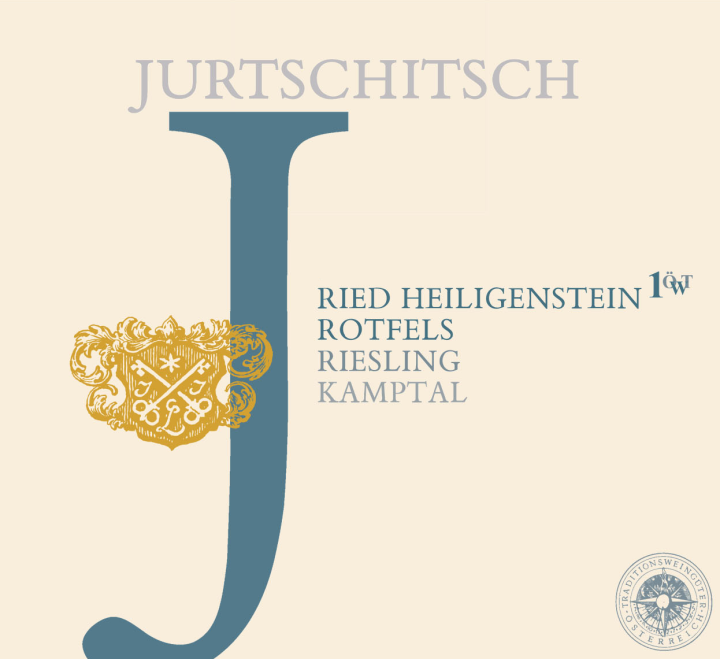
Jurtschitsch Riesling Heiligenstein Rotfels 2022
£79.95
In Stock
“The 2022 Riesling Heiligenstein Rotfels is the second vintage made separately from a parcel of 60-year-old vines on the eastern flank of the Heiligenstein, thus protected from westerly winds but missing out on late afternoon sunshine. Pure Amalfi lemon on the nose is immediately pure and lifted on the nose. The palate falls into step with vivid lemon notes on a smooth, flowing, taut body, shimmering with ripe, luscious lemon and lemon oil. Gorgeous. (Bone-dry) Drinking window: 2028-2050. 95 points
“The hail lasted for 40 minutes, and this was a moment where your breath stopped,” remembered Alwin Jurtschitsch of the hailstorm on 13 September. “Hail hit the Loiser Berg hard [i.e., the westernmost slope north of Langenlois in the path of the hailstorm]. This will result in a new wine because exactly these vineyards are used for our skin-fermented wines. We will make some Amour Fou Grüner Veltliner, but the Belle Naturelle is strictly allocated and, for now, still in barrel.” Because those 40 minutes of hail were followed by rain, the ground was too sodden, and they could not access the hail-affected vineyards by tractor. Friends from the Wachau lent them their Bütten, old-fashioned harvest containers strapped to the back so they could at least go on foot. But Jurtschitsch adds: “But had it not been for this rain shower, we would have had a period of dry stress, especially in the Heiligenstein [where hail only did minor damage]. This sounds perverse, but the qualitative and quantitative sacrifices would have been greater. For the rest of the vintage, there was no more rain. This also meant the soil was very dry and could take up that rain; otherwise, this downpour would have led to botrytis. The day after, the sun was back, and the hail-damaged grapes dried out. Had there been more rain, this would have been very ugly.” In the end, Jurtschitsch reckoned, yields were not even down by 10%, hitting just a little of the Lamm, only the eastern flank of the Heiligenstein, but mainly the Loiser Berg. “The worst hail went down towards Lengenfeld in the Kremstal,” he said, “so all in all, while it was bitter, others were far worse off. The crazy thing is that the old farmers always said there would be no hail after August, and such a September hail had not happened in living memory.” Hail nets have also been used at Jurtschitsch since 2013, and they are placed strategically so that a few rows of the single-site vineyards are always protected. But Jurtschitsch noted that these nets are made of plastic when he wants to avoid any synthetic material. As for winemaking, Jurtschitsch stressed that the idea is to harvest when grapes are ripe but never overripe and that the single-site wines are made almost to a “Champagne programme,” meaning whole-bunch pressing to achieve clearer juices. Making Sekt, he noted, taught him much about still wine. Initially, he was a big proponent of skin contact for the white wines, but he now prefers shorter macerations because the wines “stay elegant in the long run.” As far as possible, his wines also go through malolactic fermentation. He noted he is “deeply relaxed” about this process as any buttery aromas will be re-absorbed by the wine so long as the wines remain unsulfured during that process. Finding that out in 2010, when his ferments inadvertently had gone through this bacterial fermentation, he said, “was a Sternstunde, a defining moment, of learning,” allowing them to work with much more freedom. Alwin Jurtschitsch spoke eloquently about him and his wife Stefanie finding their own style – that is not about the greatest, biggest, loudest wine” at all. On the contrary, they ask themselves: “What is the silent voice of terroir? How do we create understatement? We started by vinifying our sites in the same way: by experimenting, learning and rediscovering our own vineyards. This is how we recognized that it was hard to ferment very ripe wines to dryness,” he says. The leading question became, “How do we farm in order to be able to work with low intervention in the cellar? We are scientists, gardeners, alchemists and hobby geologists, he said. “I am the ministry of the future of this estate. My job is to question and evolve everything.””
Anne Krebiehl, Vinous (07/24)